Math Concepts And Applications Worksheets
Math Concepts And Applications Worksheets are essential tools for educators looking to reinforce students’ understanding of mathematical principles through practical applications. Unlike other resources that may only focus on rote memorization, these worksheets are crafted to engage students in problem-solving and critical thinking, making math both relevant and interesting. In this guide, we’ll explore how to effectively use these worksheets, what they typically include, and how they can benefit students at various educational levels.
Understanding the Structure of Math Concepts And Applications Worksheets
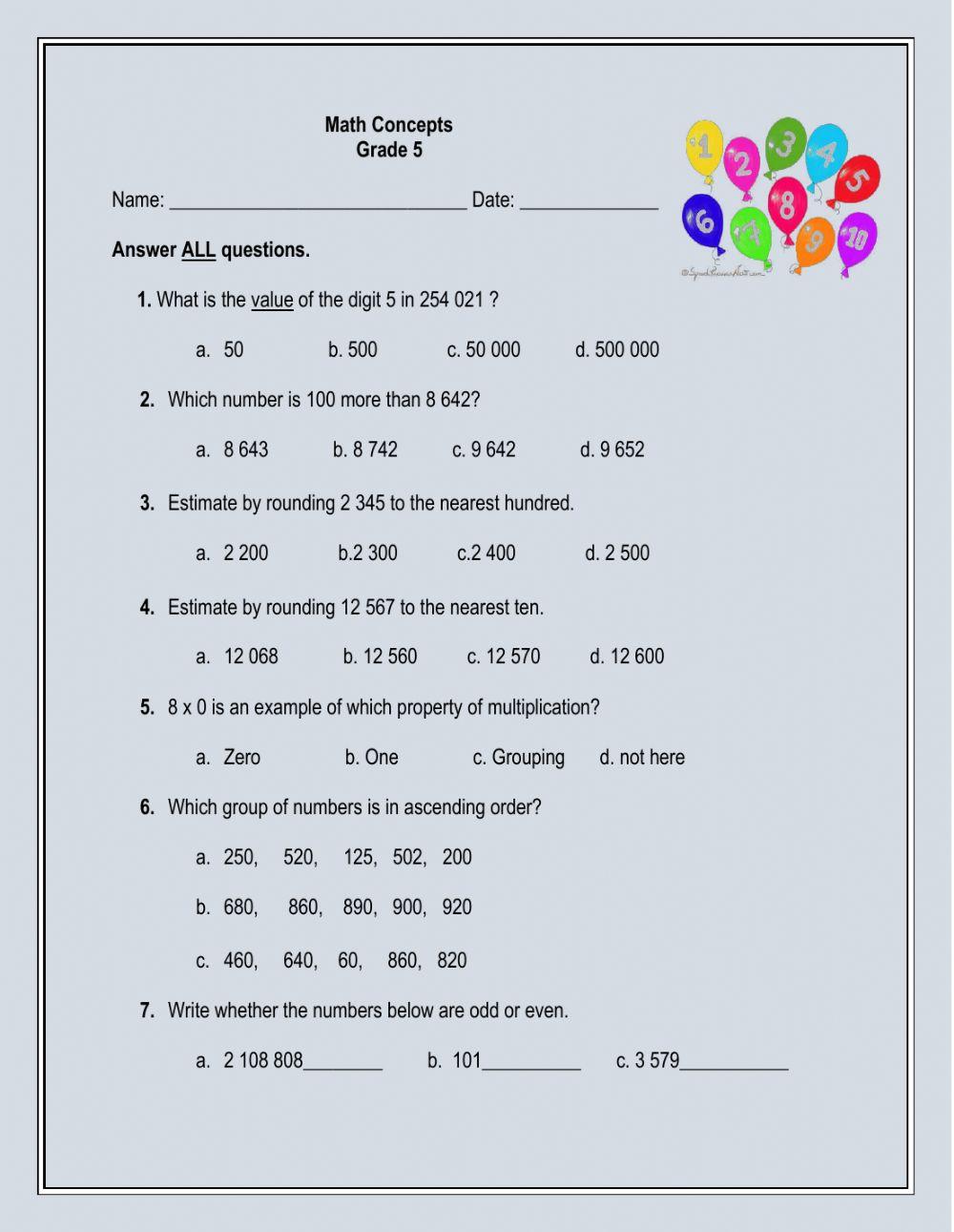
When you first open a Math Concepts And Applications Worksheet, you’ll notice a clear and organized layout. Each worksheet typically starts with a title that outlines the specific math concept being addressed, such as fractions, geometry, or basic algebra. Below the title, you’ll often find a brief introduction or explanation of the concept, which helps set the context for students.
The worksheets generally include:
- Instructions: Clear, concise directions that guide students on how to complete the tasks.
- Visual Aids: Diagrams, charts, or images that support the mathematical concepts being taught.
- Practice Problems: A variety of questions that range from basic to advanced, catering to different skill levels.
- Space for Work: Ample room for students to show their calculations and reasoning.
This structured approach not only helps students follow along but also reinforces their understanding by providing a visual representation of the concepts.
Key Features of Effective Worksheets
A well-designed Math Concepts And Applications Worksheet includes specific features that enhance its effectiveness. Here are some critical elements to look for:
Variety of Problem Types
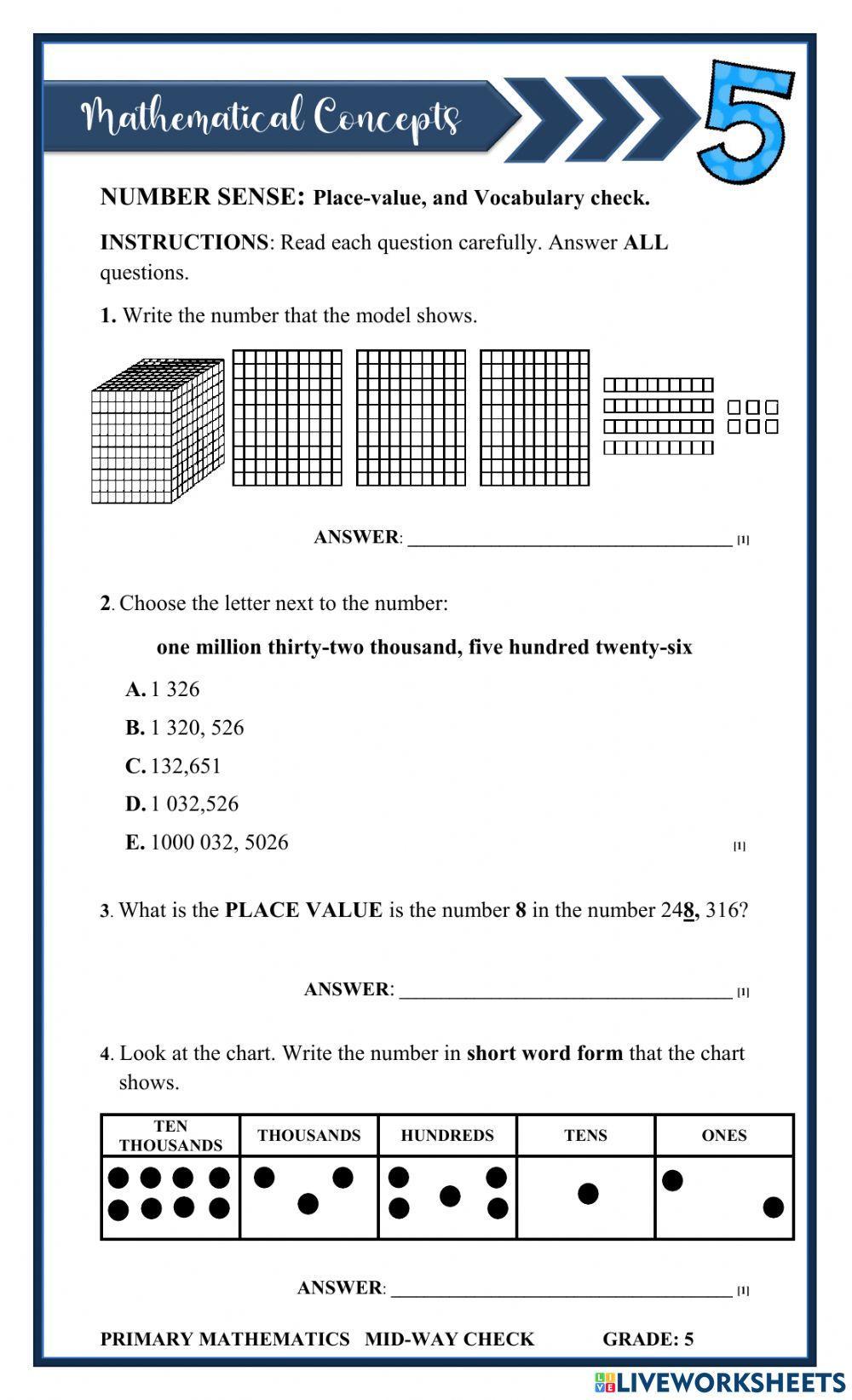
To cater to different learning styles, effective worksheets incorporate a mix of problem types. This can include multiple-choice questions, open-ended problems, and word problems that require students to apply their math skills in real-world scenarios. For example, a worksheet on fractions might include tasks like simplifying fractions, solving word problems involving fractions, and visualizing fractions with pie charts.
Gradual Progression
Worksheets should ideally progress from simpler to more complex problems. This gradual increase in difficulty helps build students’ confidence and skills over time. For instance, a worksheet might start with basic addition and subtraction problems before moving on to more challenging tasks, such as solving for unknown variables in equations.
Clear and Engaging Visuals
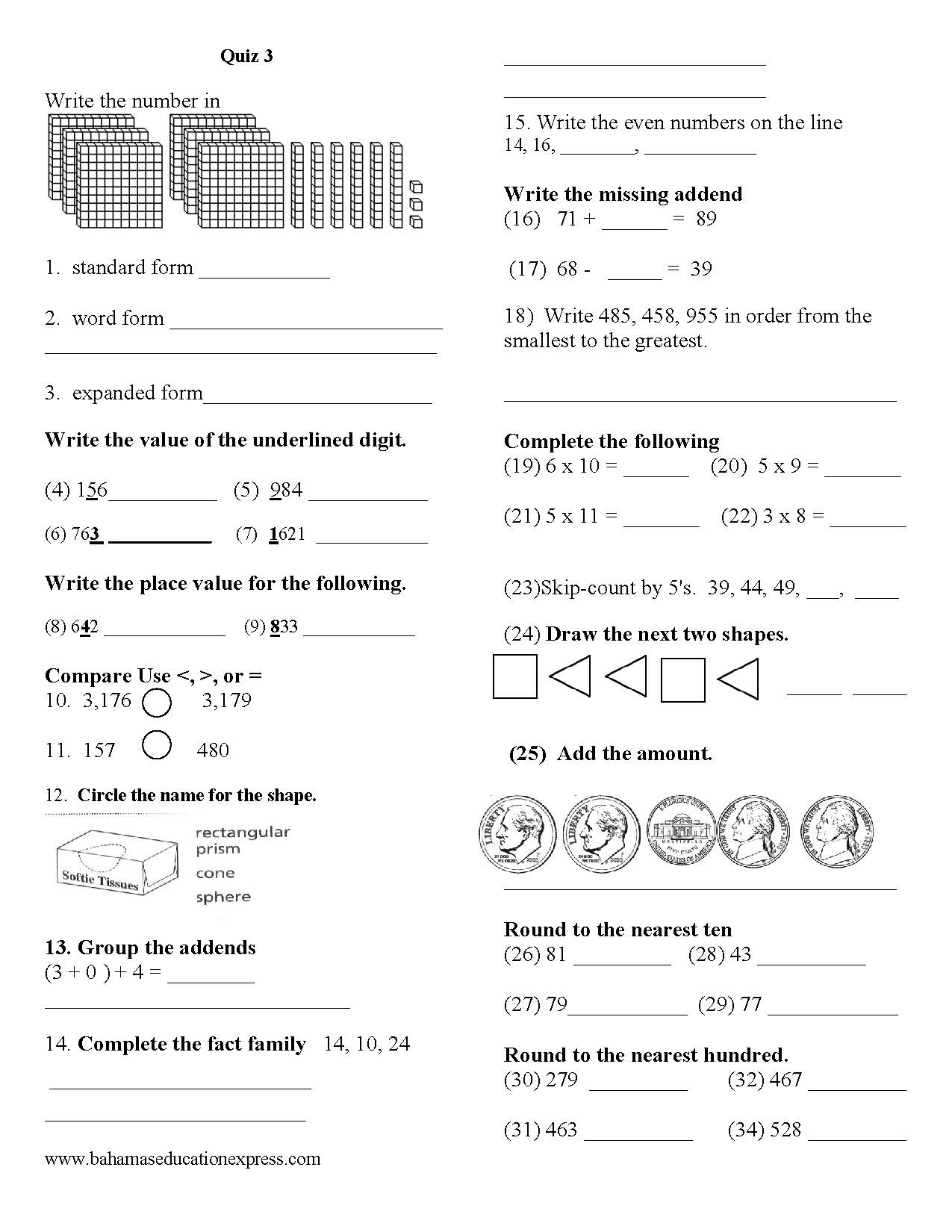
Visual aids are crucial in math education as they help students better understand abstract concepts. Look for worksheets that feature colorful graphics, charts, or diagrams that illustrate the math concepts being taught. For example, a worksheet on geometry might include shapes that students can label or manipulate.
How to Incorporate Worksheets Into Your Teaching
Using Math Concepts And Applications Worksheets effectively requires some planning. Here are a few strategies to integrate these worksheets into your classroom activities:
Pre-Assessment
Before introducing a new concept, consider using a worksheet as a pre-assessment tool. This will help you gauge your students’ prior knowledge and identify areas that need more focus. Choose problems that reflect what students should already know before tackling the new material.
Guided Practice
After introducing a new concept, use the worksheets during guided practice sessions. Walk through a few problems together as a class before allowing students to work independently. This collaborative approach helps reinforce learning and gives students the confidence to tackle the problems on their own.
Homework Assignments
Worksheets can also serve as effective homework assignments. Assign problems that reinforce the concepts taught in class, ensuring that students continue to practice and develop their skills outside of school hours. This not only helps them retain information but also allows parents to engage with their child’s learning.
Tailoring Worksheets for Different Grade Levels
Math Concepts And Applications Worksheets are versatile and can be tailored to suit various grade levels. Here’s how to adjust them based on student needs:
Early Elementary (K-2)
For younger students, focus on simple concepts like counting, addition, and basic shapes. Worksheets should include colorful images and engaging activities, such as matching numbers with objects or coloring shapes based on given instructions.
Upper Elementary (3-5)
In upper elementary grades, worksheets can introduce more complex concepts like fractions, decimals, and basic geometry. Incorporate word problems that relate math to everyday situations, helping students see the relevance of what they’re learning.
Middle School (6-8)
By middle school, students should be ready for more advanced topics, such as algebra and data analysis. Worksheets can include real-world applications, such as interpreting graphs or solving equations. Encouraging students to explain their reasoning in writing can also deepen their understanding.
Accessing and Customizing Your Worksheets
Finding high-quality Math Concepts And Applications Worksheets is easier than ever. Many printable-resource websites offer a range of free and paid options. Here’s how to make the most of these resources:
Printable Formats
Most worksheets are available in PDF format, which maintains the layout and design across different devices. When printing, consider using cardstock for durability, especially if the worksheets will be frequently used. Portrait layout is typically best for home printers, ensuring the entire page fits without cutting off any content.
Customization Options
Some websites allow you to customize worksheets by selecting specific topics or difficulty levels. This feature can be particularly useful when you want to target certain areas of improvement for your students. Look for options that let you adjust the number of problems or the types of questions included.
Supplementary Resources
In addition to worksheets, consider pairing them with other resources such as online games, interactive quizzes, or manipulatives. This variety can help reinforce the same concepts in different ways, catering to different learning styles.
By leveraging Math Concepts And Applications Worksheets effectively, you can significantly enhance your students’ understanding of mathematics. With clear structures, engaging visuals, and a variety of problem types, these worksheets serve as invaluable tools in any educator’s arsenal. Whether for in-class activities or homework assignments, they provide the necessary practice to help students succeed in their mathematical journey.


