Mathematics Worksheet For Standard 2
Mathematics can often seem daunting to young learners, especially in Standard 2, where foundational skills are crucial for future success. The right tools can make a significant difference in a child’s confidence and understanding. That’s where a Mathematics Worksheet For Standard 2 comes into play. This resource is crafted to engage students in essential math concepts while allowing teachers and parents to track progress effectively.
Understanding the Importance of Mathematics Worksheets
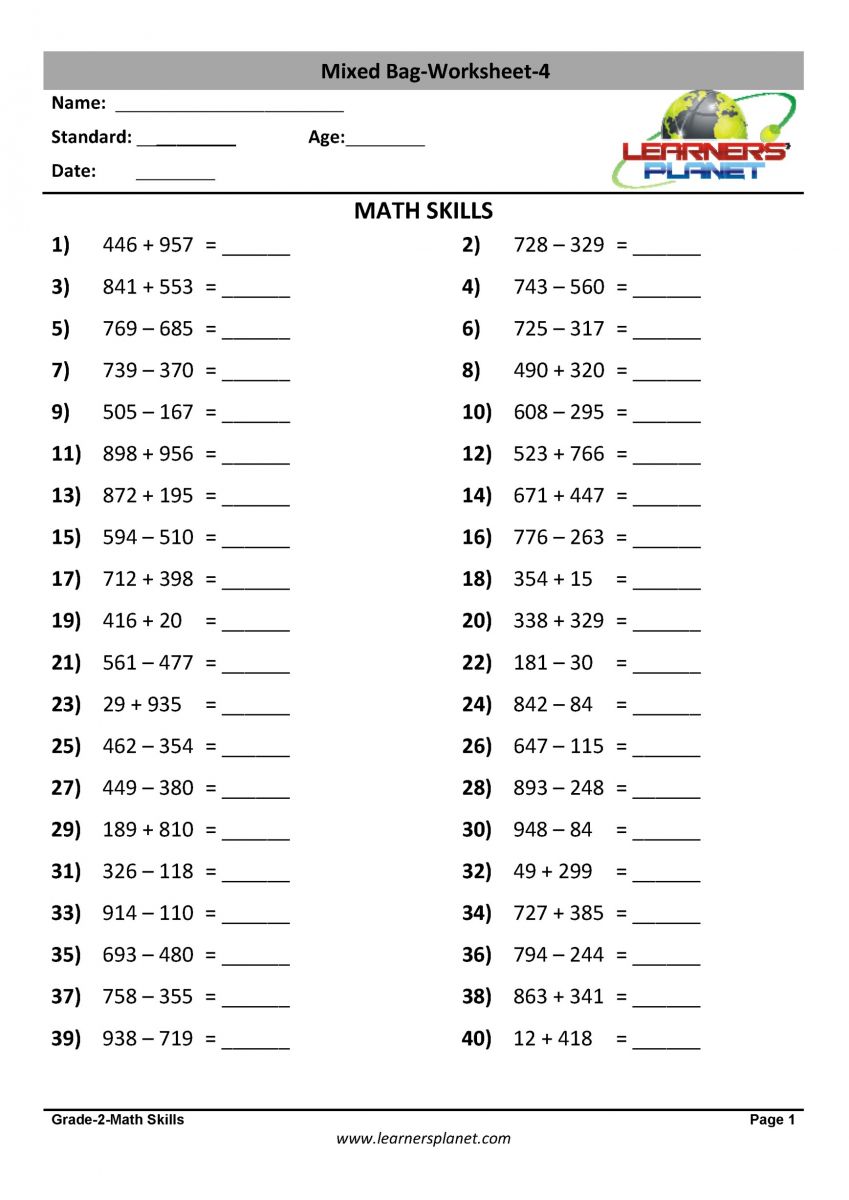
Worksheets serve as a bridge between instruction and practice. For Standard 2 students, they reinforce the concepts introduced in class while allowing for individualized practice at home or in a learning center. A well-designed mathematics worksheet can address various topics, such as basic addition and subtraction, simple multiplication, and word problems. These activities help solidify understanding and provide a platform for tracking individual progress over time.
Key Features of an Effective Mathematics Worksheet
When selecting a Mathematics Worksheet For Standard 2, look for certain features that enhance the learning experience:
- Clear Instructions: Each worksheet should have straightforward directions that are easy for young learners to understand. This reduces confusion and encourages independence.
- Variety of Problems: A mix of problem types, including multiple-choice, fill-in-the-blank, and word problems, keeps students engaged and promotes critical thinking skills.
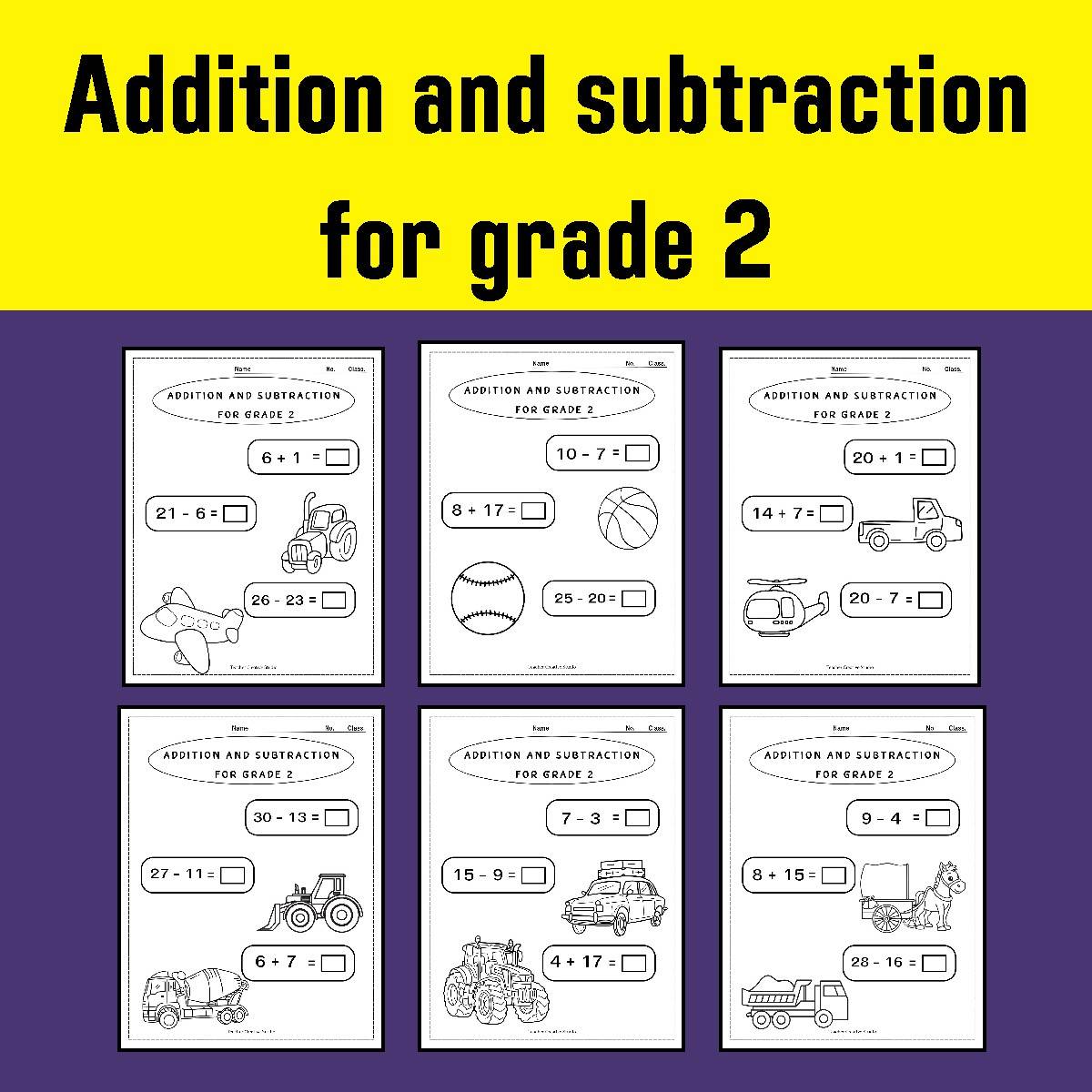
- Visual Appeal: Bright colors and engaging illustrations can make math feel less intimidating. Worksheets that incorporate visuals can help students relate to the material better.
- Appropriate Difficulty Level: Ensure the worksheet aligns with the learners’ capabilities. It should challenge them but not be so difficult that it leads to frustration.
How to Use the Mathematics Worksheet in Class or at Home
Integrating a Mathematics Worksheet For Standard 2 into your teaching routine can be seamless with the following steps:
1. Choose the Right Worksheet
Start by assessing what specific skills your students need to practice. Are they struggling with addition? Do they need more practice with word problems? Selecting a worksheet that targets these areas will be most beneficial.
2. Download and Print
Once you have selected the appropriate worksheet, download it from a reliable source. Ensure that the file format is compatible with your printer. PDF files are often the best choice as they maintain formatting across different devices. Print the worksheet on standard A4 or letter-sized paper for convenience.
3. Set Up a Learning Environment
Create a distraction-free space for students to work on their worksheets. Ensure they have necessary supplies such as pencils, erasers, and perhaps a calculator for more complex problems. A comfortable, quiet area can significantly enhance concentration.
4. Introduce the Worksheet
Before students begin, go over the worksheet together. Explain the instructions and review any concepts that may be challenging. This initial guidance helps set the tone for independent work.
5. Monitor Progress
As students work through the worksheet, circulate around the room to observe their approach to problem-solving. This is a great opportunity to provide immediate feedback and support. If you notice common mistakes, it might be useful to address these in a group discussion after the activity.
Types of Activities to Include in Worksheets
A well-rounded Mathematics Worksheet For Standard 2 should include various types of activities to cater to different learning styles:
Addition and Subtraction Problems
Introduce basic addition and subtraction with simple problems that require students to apply their knowledge. Use visuals such as pictures of objects or number lines to aid understanding.
Word Problems
Word problems are critical for developing comprehension skills. Present scenarios that reflect real-life situations, encouraging students to think critically about how to approach the problem.
Patterns and Sequencing
Incorporate exercises that help students recognize and create patterns. This can help build their logical reasoning skills, which are essential in mathematics.
Fun Math Games
Include a section at the end of the worksheet with math games or puzzles that reinforce the learned concepts. This makes learning fun and interactive.
Tracking Progress With Worksheets
Using a Mathematics Worksheet For Standard 2 not only helps reinforce skills but also serves as a valuable tool for tracking progress. After students complete their worksheets, review their answers together. This feedback session is crucial for understanding their learning journey.
1. Analyze Results
Look for patterns in the answers. Are students consistently making the same mistakes? This information can help you identify areas that require additional focus in your lessons.
2. Keep a Portfolio
Consider maintaining a portfolio for each student where you can store completed worksheets. This allows for easy tracking of their progress over time and can help inform future lesson plans.
3. Celebrate Success
Recognize improvements, no matter how small. Positive reinforcement can boost students’ confidence and motivate them to continue improving.


