3.G.2 Math Worksheets
When it comes to teaching geometry, 3.G.2 Math Worksheets stand out as a valuable resource. These worksheets are specifically designed to help students understand the concept of shapes and their attributes, which is a key component of the third-grade math curriculum. Unlike generic math worksheets, these resources focus on the specific learning objectives set forth in the Common Core standards, making them particularly useful for educators looking to align their teaching with state requirements.
Understanding 3.G.2 Math Worksheets
The 3.G.2 standard emphasizes the importance of recognizing and drawing shapes with specific attributes, such as the number of sides and angles. This means that your students will not only practice identifying shapes but also learn to describe them in detail. The layout of these worksheets typically includes various sections that guide students through different activities, such as shape identification, drawing, and comparing shapes.
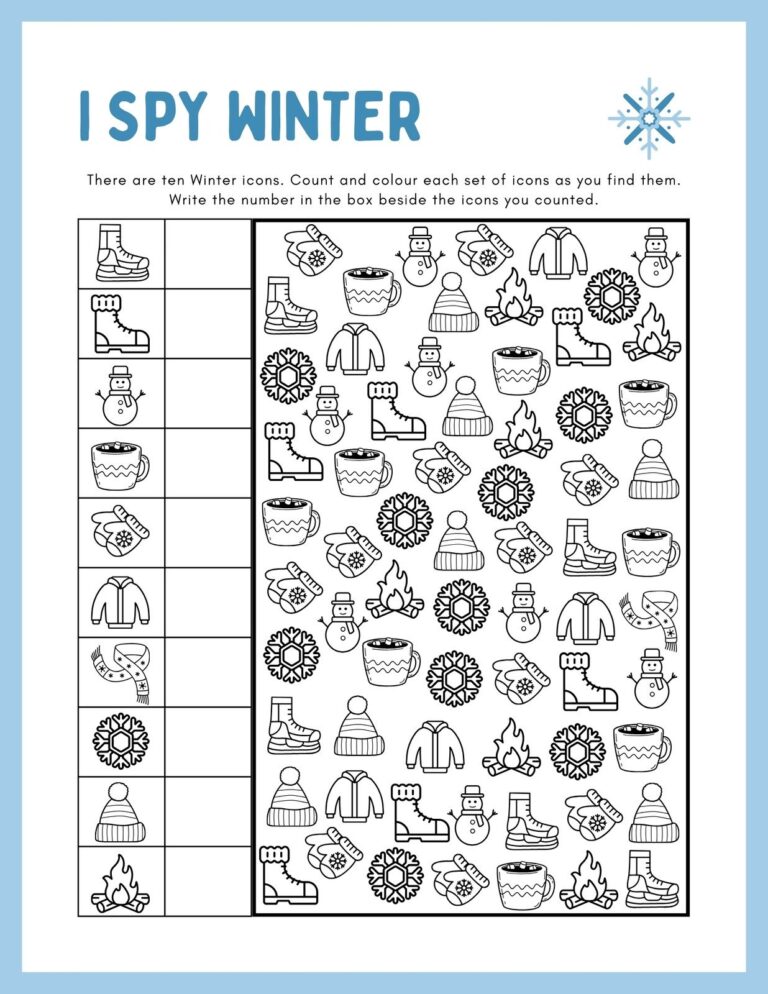
For instance, a well-designed worksheet might feature a section where students are asked to color specific shapes, followed by exercises that require them to draw shapes based on given descriptions. This multi-step approach not only reinforces their understanding of geometric concepts but also makes the learning process engaging.
Key Features of 3.G.2 Math Worksheets
When you look at 3.G.2 Math Worksheets, you’ll notice several key features that enhance their effectiveness:
- Varied Activities: These worksheets often include a mix of activities such as matching shapes, filling in blanks, and using drawings to demonstrate understanding. This variety helps cater to different learning styles.
- Clear Instructions: Each worksheet typically contains straightforward instructions, making it easy for both teachers and students to understand the task at hand. This clarity can significantly reduce frustration and confusion.
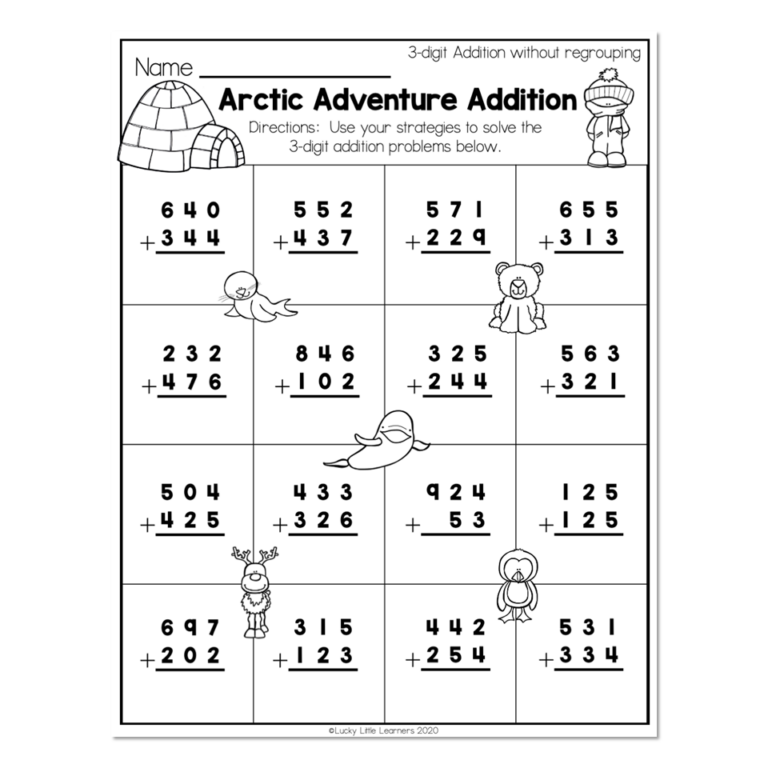
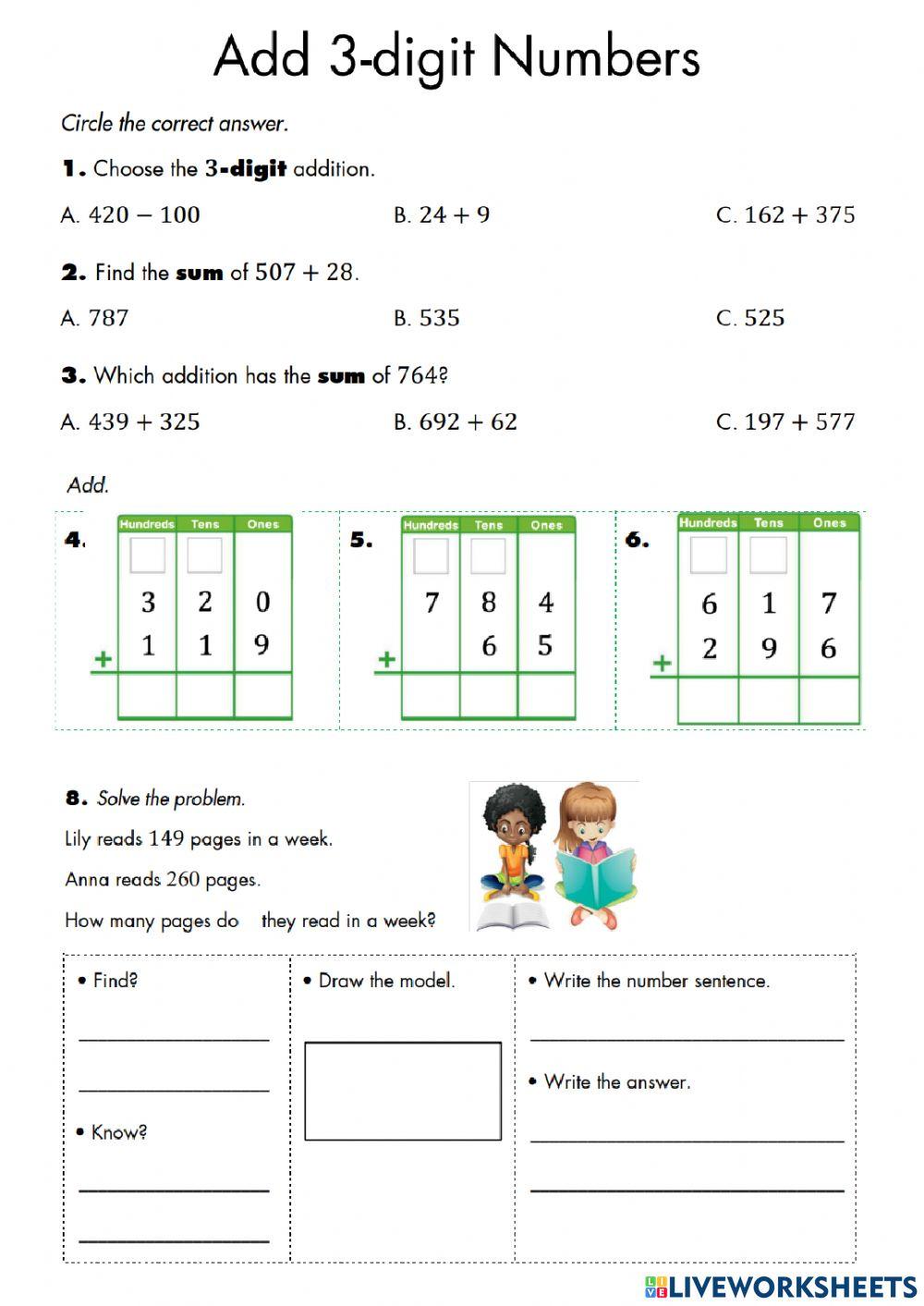
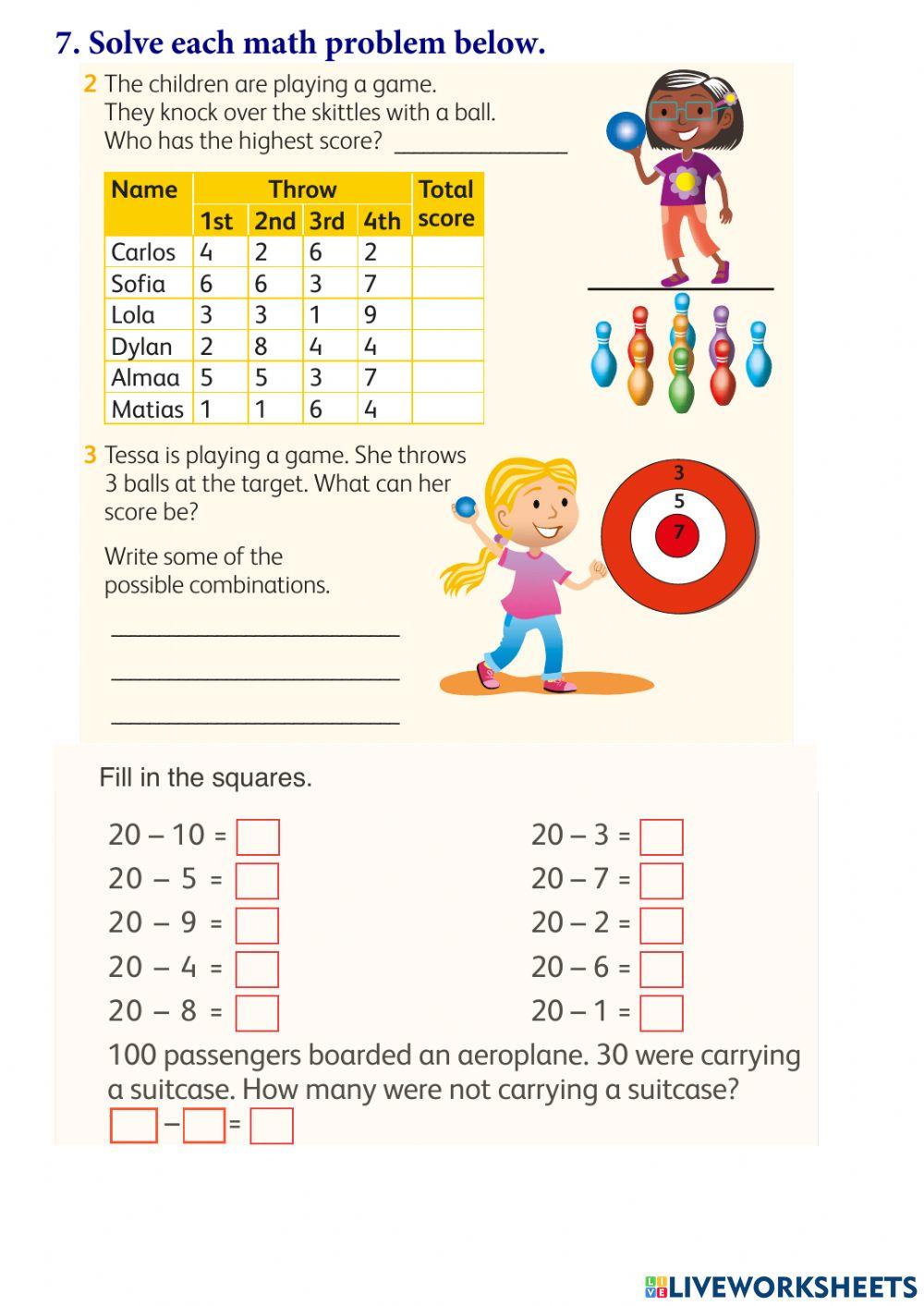
- Visual Aids: Many worksheets incorporate visual elements, such as illustrations of shapes, which can aid in comprehension. Visual learners particularly benefit from this aspect.
- Printable Format: Designed for easy printing, these worksheets can be quickly downloaded and distributed. They are often available in PDF format, ensuring that they maintain their layout regardless of the printer used.
How to Use 3.G.2 Math Worksheets Effectively
To maximize the benefits of 3.G.2 Math Worksheets, consider these practical tips for implementation in your classroom:
- Introduce the Concepts: Before handing out the worksheets, spend some time discussing the characteristics of different shapes. Use physical models or drawings on the board to make the concepts more tangible.
- Group Activities: Encourage collaboration by having students work in pairs or small groups. This can promote discussion and deepen understanding as they explain their reasoning to one another.
- Incorporate Technology: If your classroom has access to tablets or computers, consider using digital versions of these worksheets. Interactive elements can further engage students and provide instant feedback.
- Assessment Opportunities: Use the completed worksheets as a tool for assessment. They can help you gauge student understanding and identify areas where additional instruction may be needed.
Types of Activities Included in 3.G.2 Math Worksheets
You can expect a variety of activities within 3.G.2 Math Worksheets. Here are some common types:
- Shape Identification: Students identify and name shapes in given diagrams. This foundational skill is crucial for later geometry concepts.
- Drawing Shapes: Worksheets may ask students to draw shapes based on descriptions or parameters. This reinforces their understanding of shape properties.
- Comparative Exercises: Students might be tasked with comparing different shapes and describing how they are alike or different. This promotes critical thinking.
- Real-World Applications: Some worksheets include scenarios where students must identify shapes in real-world contexts, helping them connect their learning to everyday life.
Downloading and Printing 3.G.2 Math Worksheets
When you’re ready to use 3.G.2 Math Worksheets, downloading and printing them is a straightforward process. Most resources come in a PDF format, which is ideal for printing. Here are some tips for effective printing:
- Select the Right Paper: If you plan to laminate the worksheets for reuse, consider using cardstock as it holds up better than regular paper.
- Check Printer Settings: Ensure your printer settings are adjusted for best quality. A portrait layout usually works best for worksheets, but check your specific design needs.
- Use Color: If possible, print in color, as this can make the worksheets more visually appealing and engaging for students.
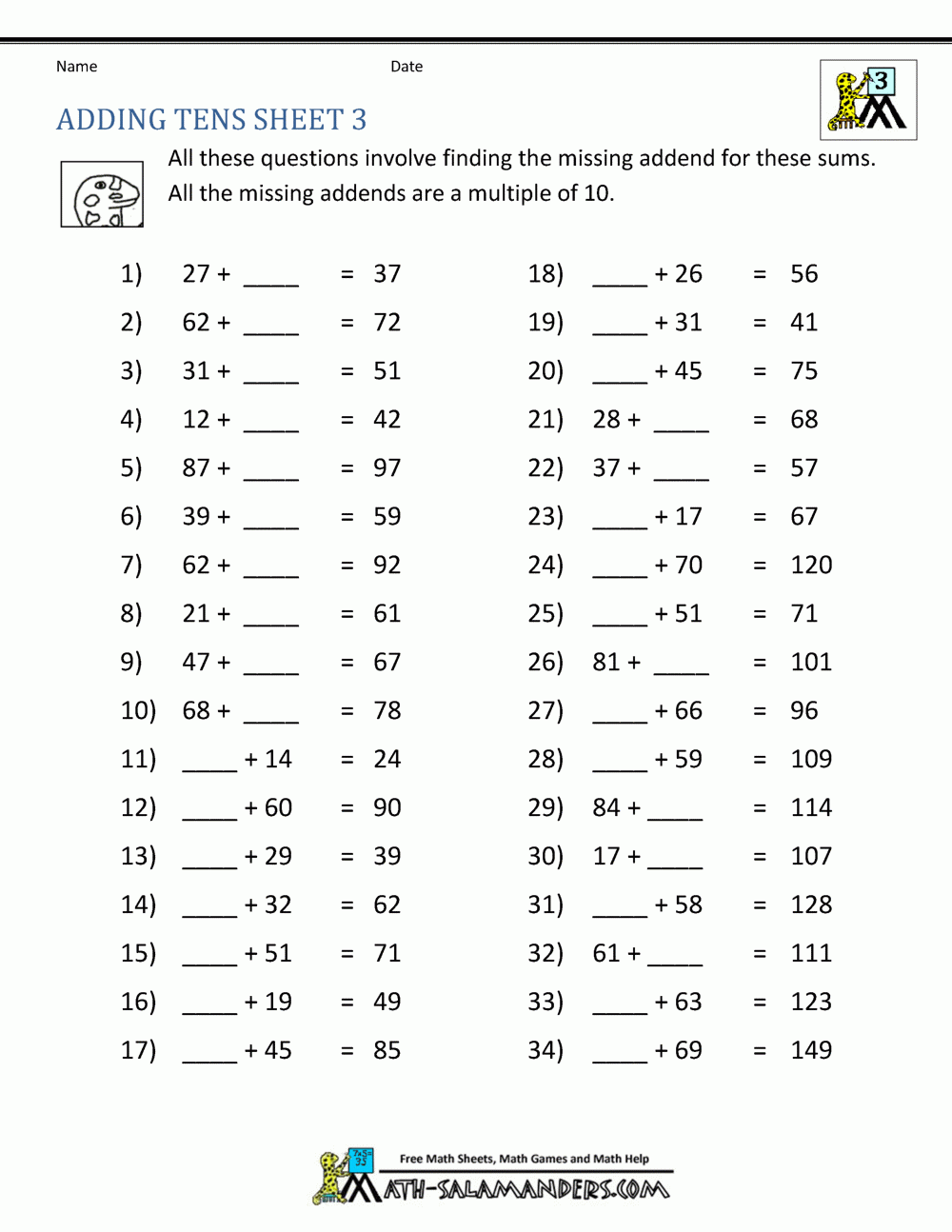
Enhancing Learning With 3.G.2 Math Worksheets
Integrating 3.G.2 Math Worksheets into your curriculum can significantly enhance your students’ understanding of geometry. These worksheets not only provide practice but also promote a deeper exploration of shapes and their attributes.
Consider supplementing the worksheets with hands-on activities, such as shape scavenger hunts around the classroom or school, where students can find and categorize shapes in their environment. This approach ties the abstract concepts from the worksheets to real-life examples, reinforcing their learning.
Additionally, encourage students to create their own shapes and describe them using the terminology they learn from the worksheets. This type of creative exercise can solidify their understanding and make math more enjoyable.
By effectively utilizing 3.G.2 Math Worksheets as part of your teaching strategy, you can offer your students a comprehensive, engaging, and enjoyable way to explore geometry. Whether you choose to print them for classroom use or distribute them digitally, these worksheets provide a solid foundation for building geometric understanding. With a few thoughtful strategies in place, you’ll find that these resources can not only meet educational standards but also inspire a love for learning in your students.
As you prepare your lessons, think about how these worksheets can fit into your broader teaching goals. They are not just a tool for practice; they are an opportunity to foster curiosity and critical thinking in your classroom.