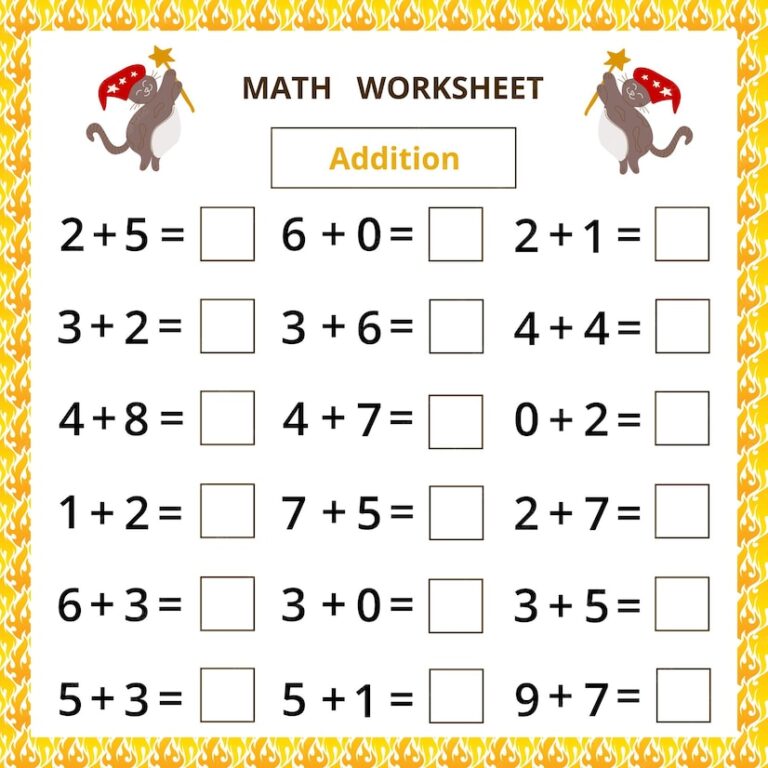
Fill In The Blanks Worksheets For Maths
Fill in the blanks worksheets for maths provide a structured way for students to engage with mathematical concepts. Unlike traditional worksheets, these resources encourage active participation by requiring learners to think critically and apply their knowledge to complete the sentences. This approach not only reinforces learning but also helps students develop problem-solving skills. In this guide, we’ll explore how to effectively use fill in the blanks worksheets in your maths lessons, ensuring that both teachers and students benefit from this engaging resource.
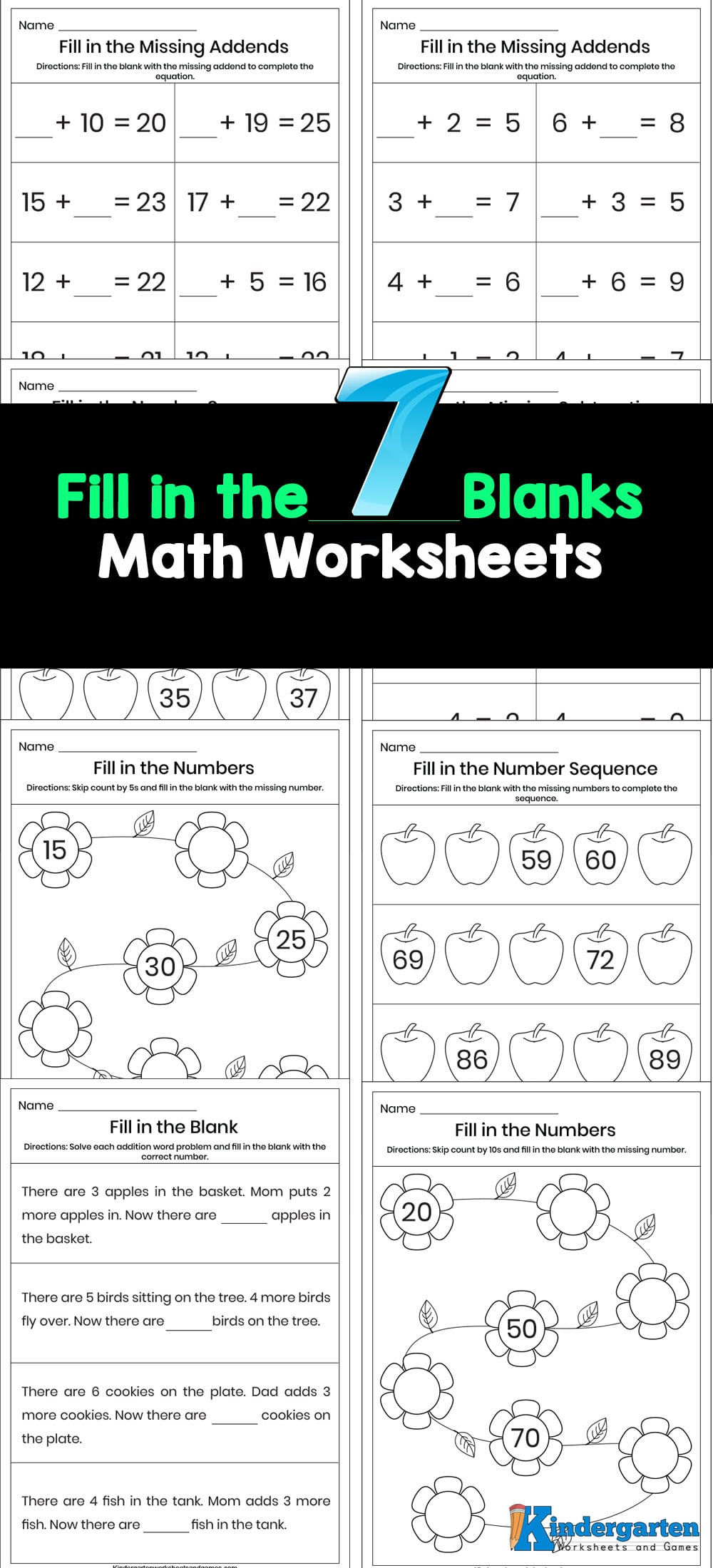
Understanding the Structure of Fill In The Blanks Worksheets
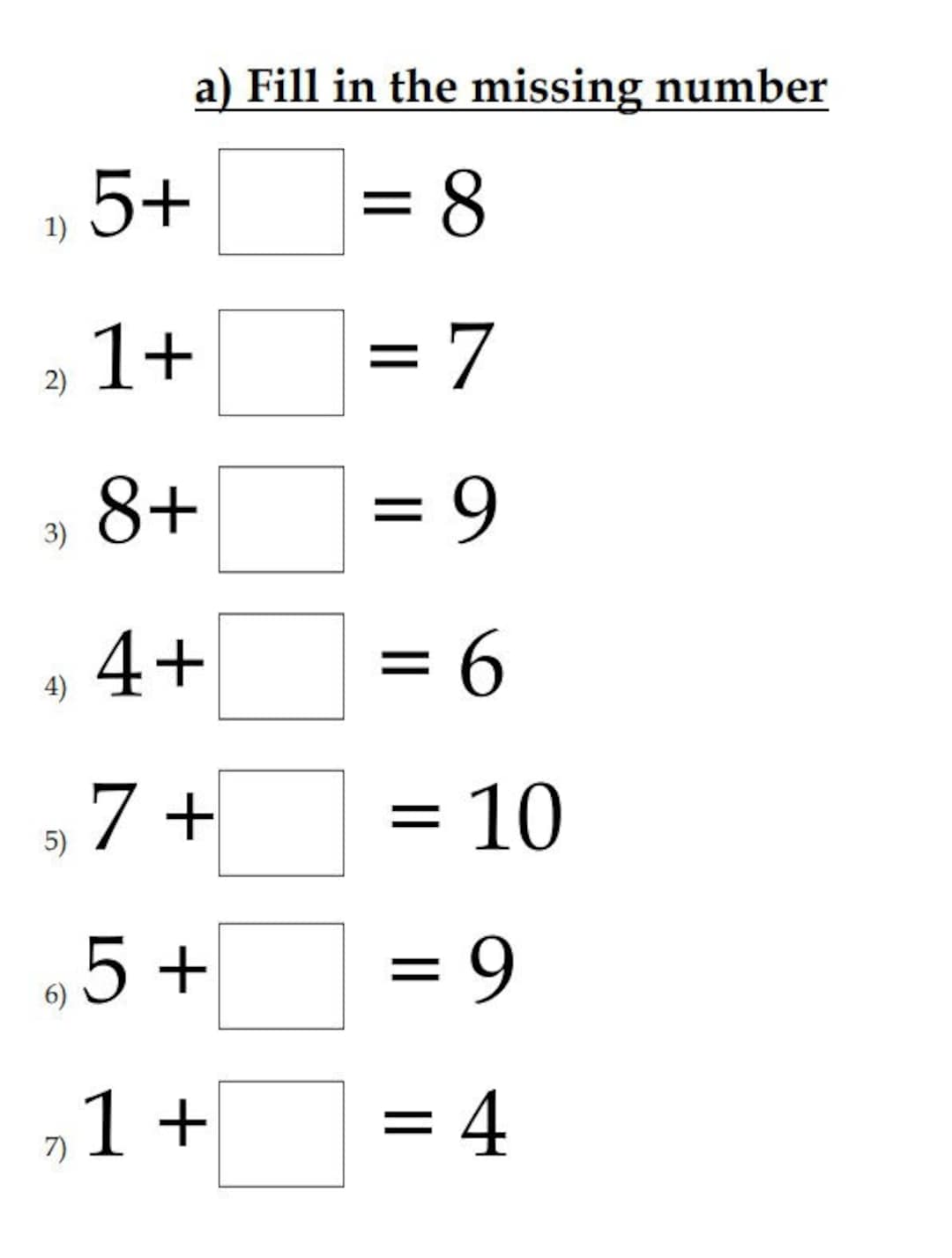
Fill in the blanks worksheets typically include a series of statements or equations with missing words or numbers. This format allows students to demonstrate their understanding of mathematical concepts in a clear and straightforward manner.
When designing these worksheets, consider the following elements:
- Clear Instructions: Each worksheet should begin with simple, concise instructions. This helps students understand what is expected of them without confusion.
- Logical Progression: Organize the content from foundational concepts to more complex ideas. For example, start with basic addition or subtraction before moving on to fractions or decimals.
- Varied Difficulty Levels: Include a mix of easy, medium, and challenging problems to cater to different learning abilities within your classroom.
- Visual Aids: Incorporate diagrams or images where relevant. Visuals can provide context and support students who may struggle with text-based instructions.
These features contribute to a user-friendly layout that enhances learning and keeps students engaged.
The Benefits of Using Fill In The Blanks Worksheets
Using fill in the blanks worksheets for maths offers numerous advantages for both teachers and students. Here are some key benefits:
- Active Learning: These worksheets promote active learning by requiring students to think critically about the concepts being taught. Instead of passively reading or observing, they must engage with the material directly.
- Assessment of Understanding: Teachers can easily assess students’ understanding of specific topics. By analyzing the completed worksheets, you can identify areas where students may need additional support or instruction.
- Encouragement of Independent Learning: Fill in the blanks worksheets foster independence. Students learn to rely on their knowledge and reasoning skills to find the correct answers, which can boost their confidence.
- Flexibility in Use: These worksheets can be used in various settings, from individual practice to group activities. They can also be adapted for different grade levels, making them a versatile resource.
Integrating these worksheets into your teaching routine can lead to more effective learning outcomes.
How to Integrate Fill In The Blanks Worksheets Into Your Lesson Plans
To maximize the effectiveness of fill in the blanks worksheets, consider the following strategies for integration into your lesson plans:
- Warm-Up Activity: Start your maths lesson with a fill in the blanks worksheet as a warm-up. This primes students for the lesson ahead and allows them to recall prior knowledge.
- Group Work: Encourage collaboration by having students work in pairs or small groups to complete the worksheets. This social interaction can enhance understanding through discussion and explanation.
- Assessment Tool: Use these worksheets as a formative assessment tool. After teaching a topic, give students a worksheet to complete. Review their answers to gauge their comprehension and adjust future lessons accordingly.
- Homework Assignments: Assign fill in the blanks worksheets for homework to reinforce concepts learned in class. This allows students to practice independently and helps consolidate their learning.
- Review Sessions: Incorporate these worksheets into review sessions before tests or exams. They can help reinforce key concepts and identify areas where students may need additional practice.
By thoughtfully integrating fill in the blanks worksheets into your lesson plans, you can create a more engaging and effective learning environment.
Tips for Designing Your Own Fill In The Blanks Worksheets
Creating your own fill in the blanks worksheets can be a rewarding process that allows you to tailor the content to your students’ needs. Here are some tips for designing effective worksheets:
- Use Real-World Examples: Incorporate real-world scenarios to make the problems relatable. For instance, use shopping scenarios for addition and subtraction or cooking measurements for fractions.
- Limit the Number of Blanks: Too many blanks can overwhelm students. Focus on key concepts and limit the number of blanks to encourage clarity and focus.
- Provide a Word Bank: Consider including a word bank for younger students or those who may struggle with vocabulary. This can guide them in completing the sentences without feeling lost.
- Test for Clarity: Before distributing the worksheets, try them out with a colleague or older students to ensure they are clear and effective. Feedback can help you refine your design.
By following these design tips, you can create worksheets that not only challenge students but also support their learning journey.
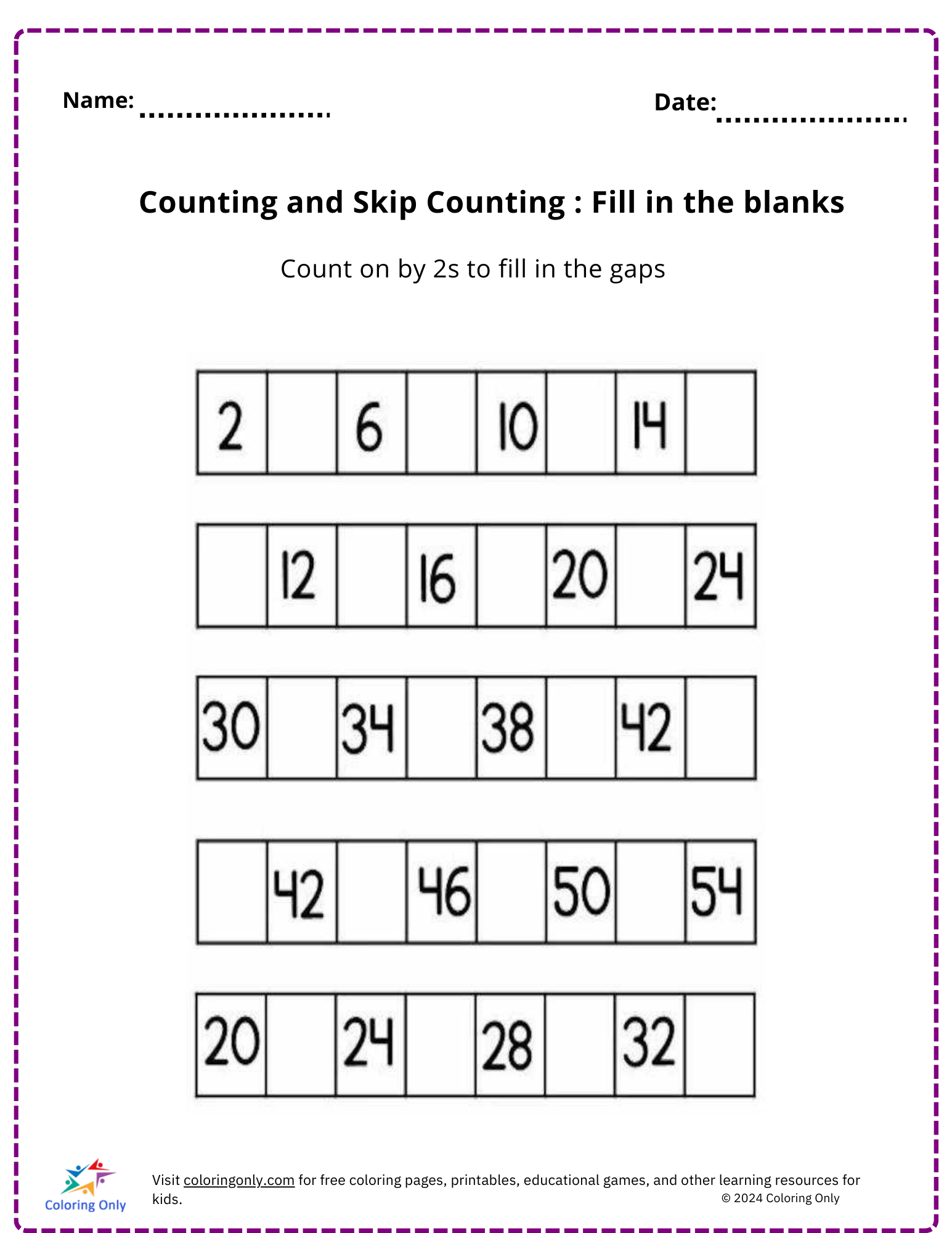
Where to Find Quality Fill In The Blanks Worksheets for Maths
If you’re looking for ready-made fill in the blanks worksheets for maths, there are numerous resources available online. Here are a few places to start your search:
- Educational Websites: Websites dedicated to educational resources often offer a variety of worksheets that can be downloaded for free or for a small fee. Look for sites that specialize in maths education.
- Teacher Resource Sharing Platforms: Platforms where teachers share their resources can be a goldmine for high-quality worksheets. You can often find worksheets created by experienced educators.
- Printable Resource Sites: Websites focused on printable resources may have a dedicated section for maths worksheets. These sites usually allow you to filter by grade level and subject matter.
When selecting worksheets, ensure they align with your curriculum and are appropriate for your students’ skill levels.
Incorporating fill in the blanks worksheets for maths into your teaching strategy can enhance student engagement and understanding. By following the guidelines and tips outlined here, you can create a dynamic learning environment that encourages active participation and critical thinking. Whether you choose to design your own worksheets or seek out existing resources, these tools can significantly support your students’ mathematical learning journey.