Example Of Drill Work In Mathematics
When it comes to reinforcing mathematical concepts, drill work is an essential tool in any educator’s toolkit. An Example Of Drill Work In Mathematics can take various forms, all aimed at helping students practice and master skills through repetition and engagement. This article outlines practical approaches to implementing drill work in your classroom, providing you with the resources and strategies you need to effectively support your students’ learning.
Understanding Drill Work in Mathematics
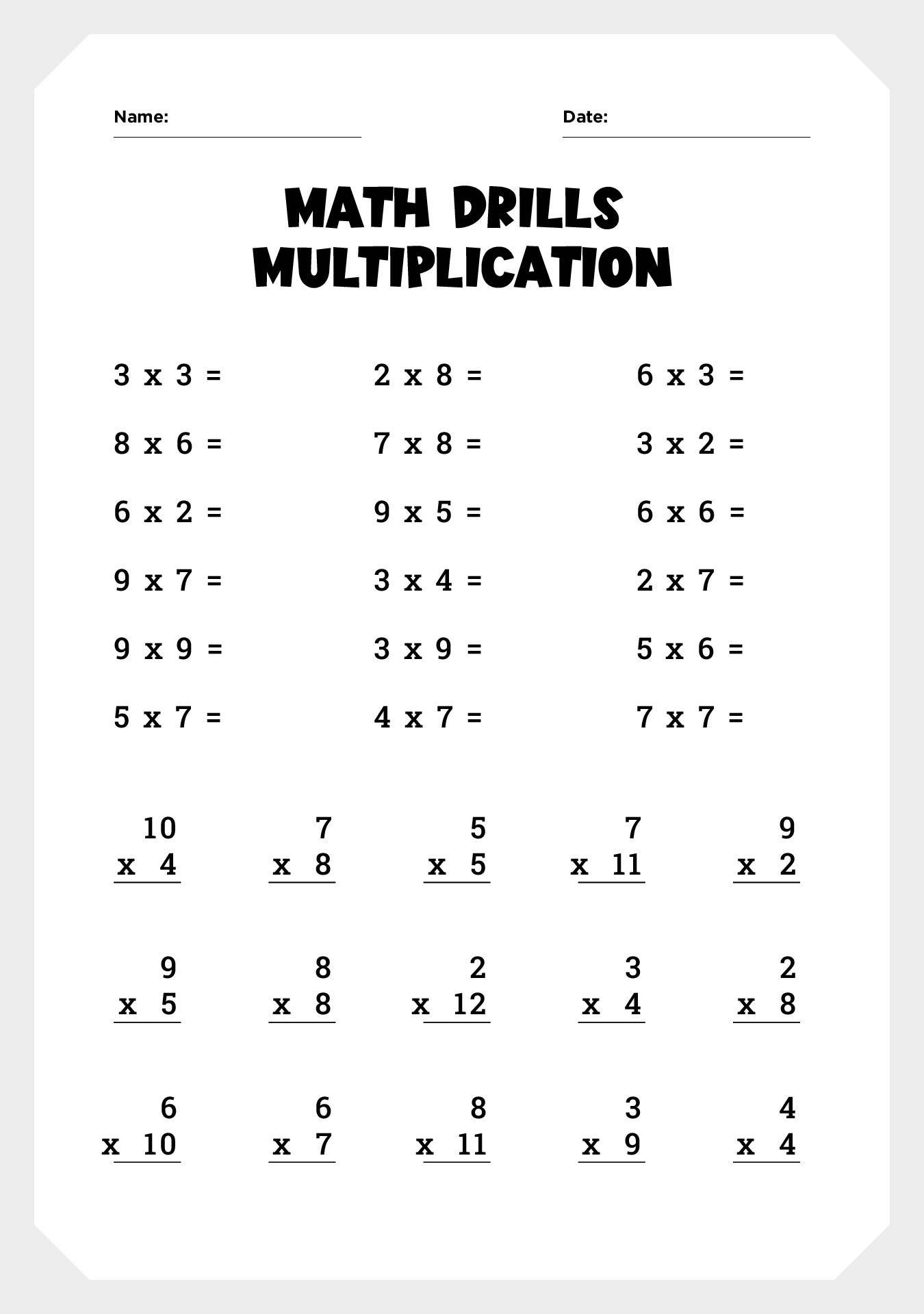
Drill work typically involves repetitive exercises designed to reinforce specific mathematical skills. It can include exercises in addition, subtraction, multiplication, division, fractions, and more complex concepts as students advance. The purpose of drill work is not merely to fill time; it’s about solidifying foundational knowledge, ensuring that students can perform calculations efficiently and accurately.
In the context of mathematics, drill work can be particularly effective for:
- Basic Operations: Mastery of addition, subtraction, multiplication, and division.
- Fractions and Decimals: Understanding how to manipulate and convert between fractions, decimals, and percentages.
- Algebra: Practicing solving equations and inequalities.
- Geometry: Familiarity with shapes, area, volume, and theorems.
Creating Effective Drill Work Activities
To create effective drill work activities, consider the following steps:
Identify Learning Objectives
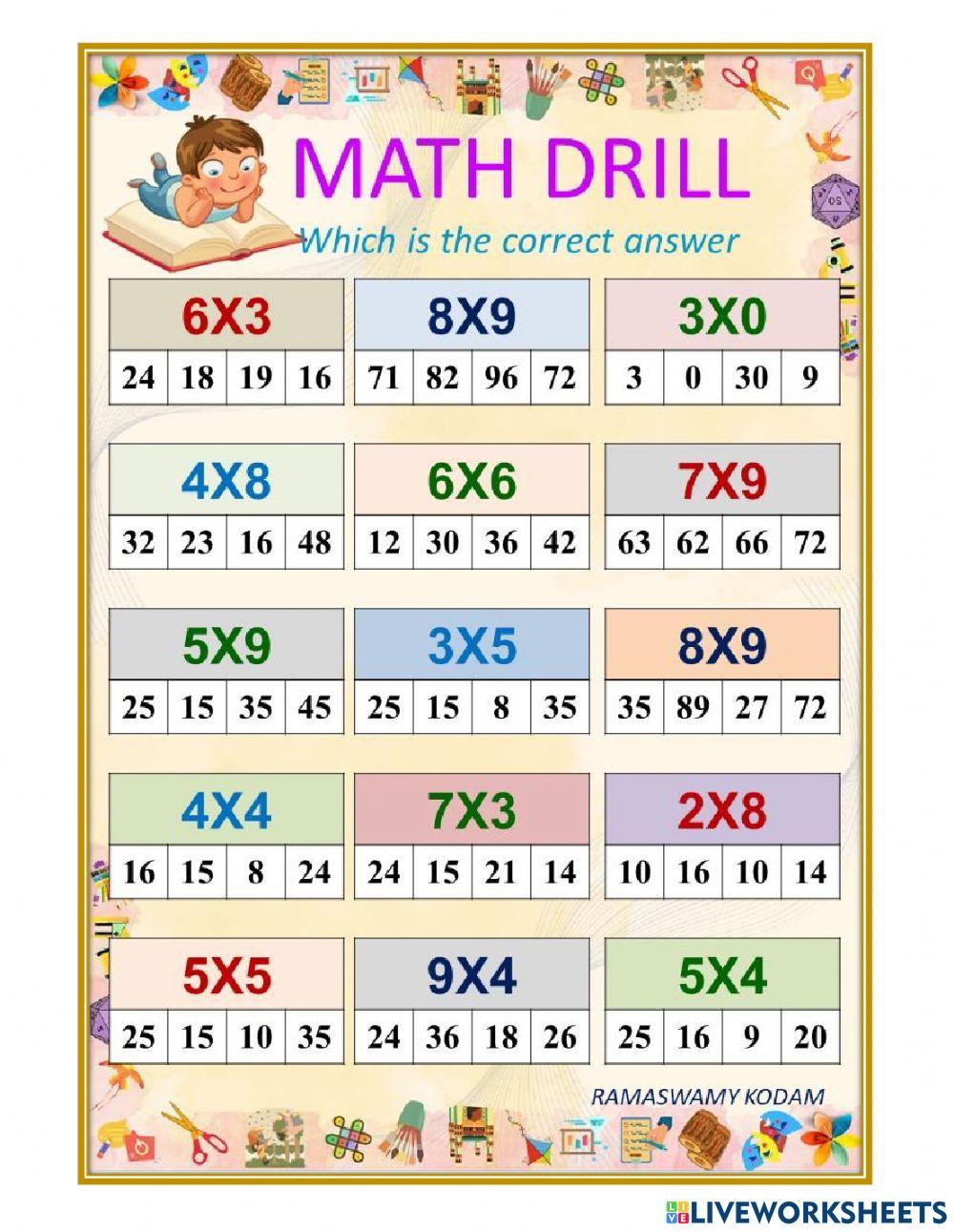
Before designing your drill work, it’s crucial to pinpoint what skills you want your students to strengthen. Are they struggling with multiplication tables, or do they need more practice with long division? Defining clear learning objectives will help you tailor your activities accordingly.
Choose the Right Format
Drill work can be presented in various formats, including:
- Worksheets: Printable worksheets that focus on specific skills.
- Flashcards: Quick-reference cards for memorization of key facts.
- Online Quizzes: Interactive platforms that allow for immediate feedback.
- Group Activities: Engage students in teams to solve problems collaboratively.
Opt for a mix of formats to cater to different learning styles and keep students engaged.
Incorporate Variety
Variety keeps students interested and motivated. Consider mixing different types of problems and formats within a single drill session. For instance, you can alternate between timed quizzes and collaborative group challenges to maintain engagement.
Monitor Progress
Regularly assess student performance to ensure that drill work is effective. This can be done through informal assessments or quizzes at the end of a drill work session. Adjust your approach based on the results to meet the needs of your students better.
Resources for Drill Work in Mathematics
To enhance your drill work activities, here are some valuable resources that you can download, print, and use immediately:
Printable Worksheets
Worksheets are a staple for drill work. They can be tailored to various grade levels and topics. Look for resources that include:
- Answer Keys: To facilitate quick grading.
- Variety of Problems: From basic to advanced levels to suit all learners.
- Clear Instructions: So students understand what is expected.
Online Platforms
Many online platforms offer interactive drill work exercises. Websites like Khan Academy and IXL provide tailored practice that adapts to each student’s level. These platforms often include immediate feedback, which is crucial for learning.
Flashcards
Flashcards are excellent for memorization and quick recall. You can create your own or find printable versions online that focus on key math concepts. They are particularly useful for vocabulary, formulas, and basic operations.
Coloring Pages and Games
Incorporating fun elements like coloring pages or math games can make drill work more enjoyable. Look for resources that blend creativity with practice, allowing students to engage with the material in a different way.
Implementing Drill Work in the Classroom
Now that you have your resources, it’s time to implement them in your classroom. Here’s how to effectively integrate drill work into your teaching routine:
Set Clear Expectations
Before starting any drill work, communicate the objectives and expected outcomes to your students. Let them know how this practice will benefit their understanding and performance in math.
Create a Routine
Establish a regular schedule for drill work sessions. Consistency helps students anticipate and prepare for these activities. Whether it’s a daily warm-up or a weekly review, having a routine can enhance learning outcomes.
Encourage a Growth Mindset
Remind students that making mistakes is part of the learning process. Encourage them to view drill work as an opportunity to improve rather than a chore. Celebrate progress, no matter how small, to build their confidence.
Provide Feedback
After each drill session, take the time to review answers and provide feedback. Highlight common errors and clarify misunderstandings. This can be done through group discussions or individual feedback sessions.
Adjusting Drill Work for Different Learners
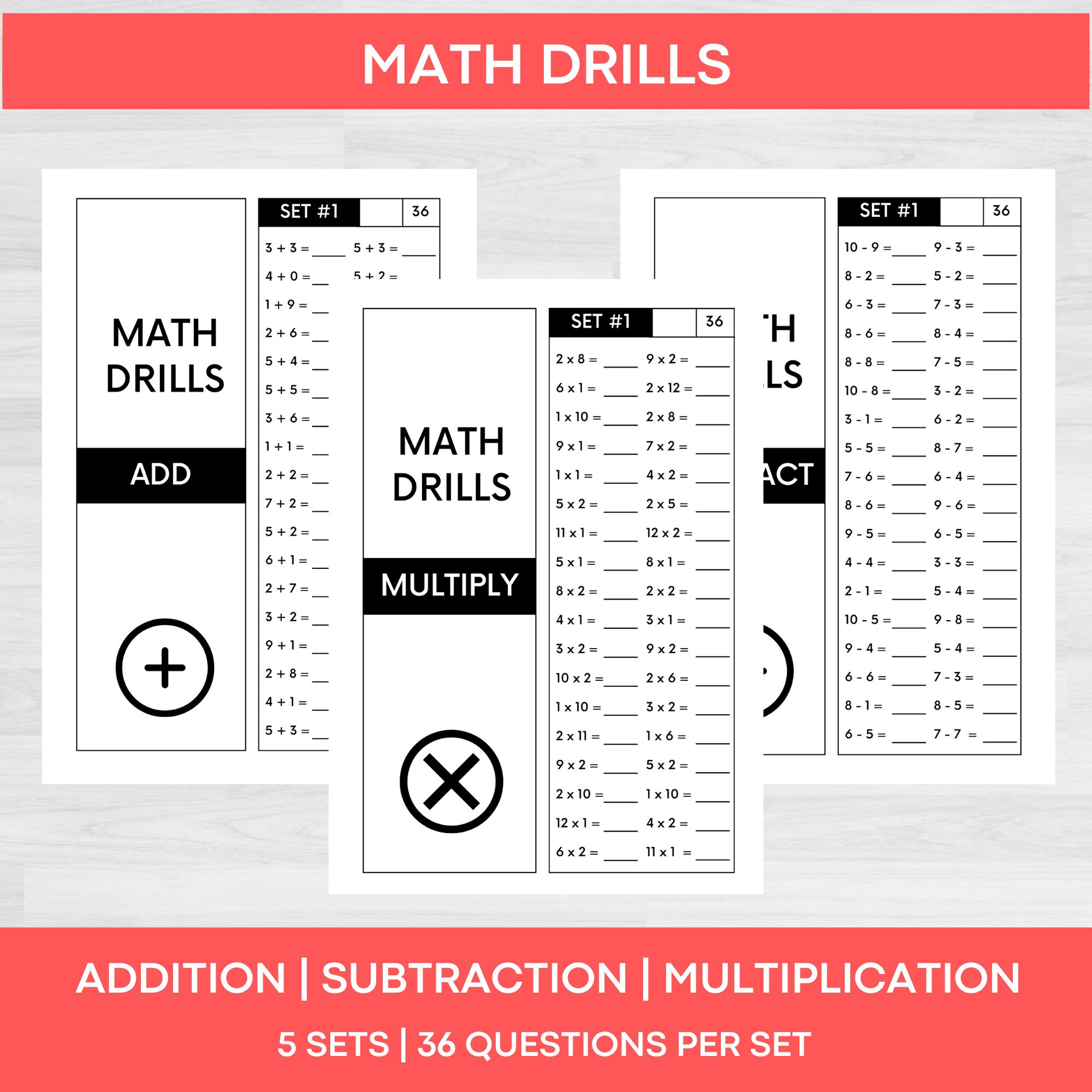
Recognize that not all students learn at the same pace. Here are some strategies to differentiate drill work:
Group Students Strategically
Group students based on their proficiency levels. This allows you to provide targeted support where needed while also encouraging peer learning.
Modify Difficulty Levels
Adjust the difficulty of the problems based on individual student needs. For those struggling, provide simpler problems with more guidance. For advanced learners, challenge them with complex problems or introduce new concepts.
Use Technology
Incorporate educational technology that allows students to progress at their own pace. Many programs adjust the difficulty of questions based on the student’s performance, making them an excellent tool for personalized learning.


